Where to look · 4 min read
Where it's legal to collect (US)
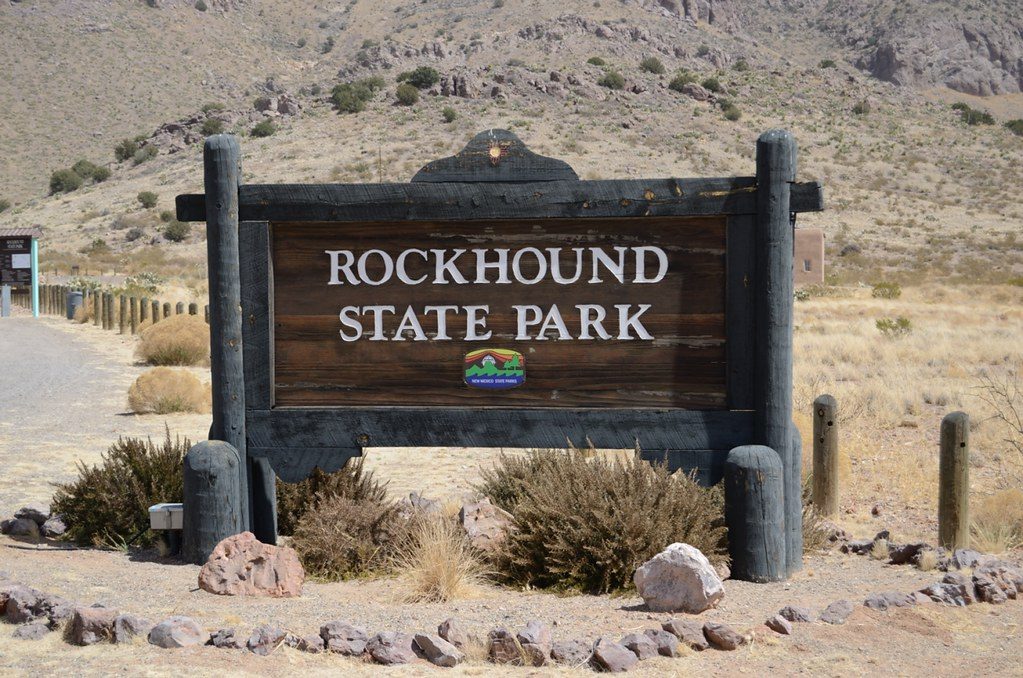
Find out who owns the land
The rules depend on the landowner. Check posted signs, a land-ownership map or the local office before you take anything.
National parks and monuments
Collecting rocks, minerals and fossils is not allowed.
BLM land
You can generally collect reasonable amounts of rocks, minerals, and common invertebrate and plant fossils for personal, non-commercial use without a permit. Petrified wood has limits: 25 lb plus one piece a day, 250 lb a year.
National forests
Small amounts for personal use are usually allowed. Some areas are closed or need a permit, so ask the ranger district.
State parks, beaches and private land
Many state parks don't allow collecting. Beach rules vary by state. On private land, mines and quarries, collect only with the owner's permission. Fee-dig sites are a great, legal way to collect.
- Take only what you'll keep, and fill any holes you dig.
- Vertebrate fossils (bones and teeth, including shark teeth) on federal land need a permit and go to a museum.
- Arrowheads and artifacts are protected on public land. Don't collect on tribal land without the tribe's permission.
Photos: Rockhound by snowpeak, CC BY 2.0. General information only: rules, safety and values vary, so check locally and ask an expert when it matters.