Identify · 3 min read
Is it a meteorite?
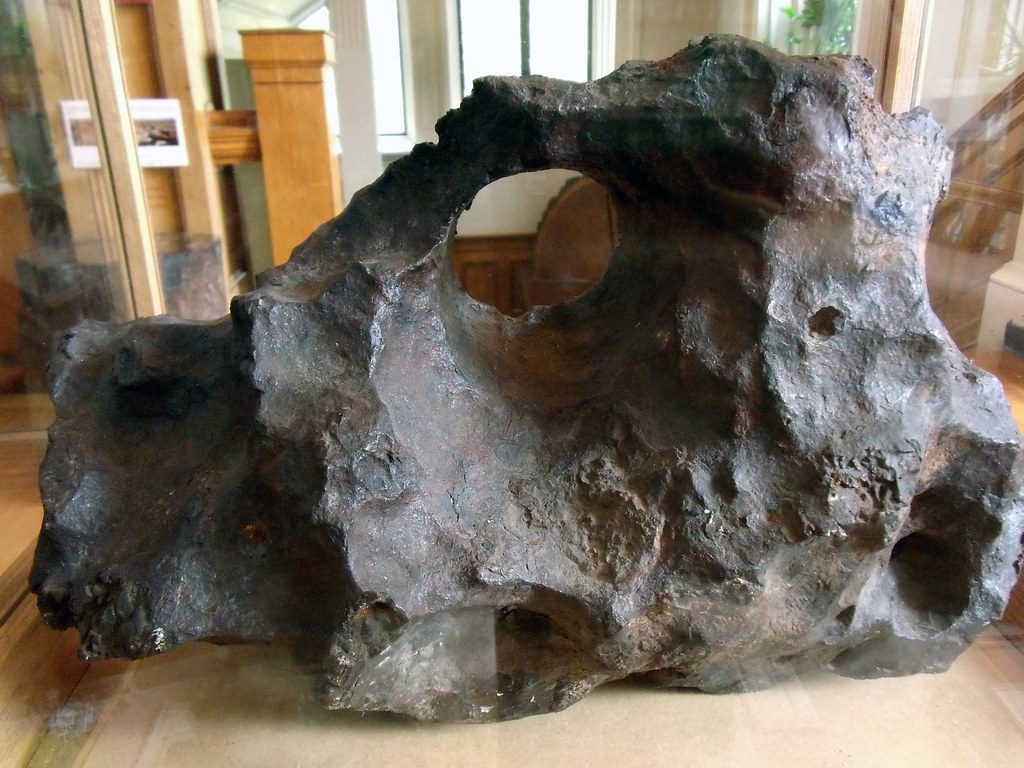
Start skeptical
Most rocks sent to labs as meteorites are 'meteor-wrongs': industrial slag, hematite, magnetite or dark volcanic rock. A few checks rule most of them out.
Test with a magnet
Most meteorites contain iron-nickel metal, so a magnet sticks. No pull at all makes a meteorite unlikely.
Feel the weight
Meteorites are heavy for their size, much heavier than an ordinary rock.
Look at the outside
Look for a thin black or brown crust (fusion crust) and thumbprint-like dents (regmaglypts). Bubbles and holes throughout usually mean slag.
Streak it
A red-brown streak means hematite. A black streak from a strongly magnetic rock means magnetite. Most meteorites leave little or no streak.
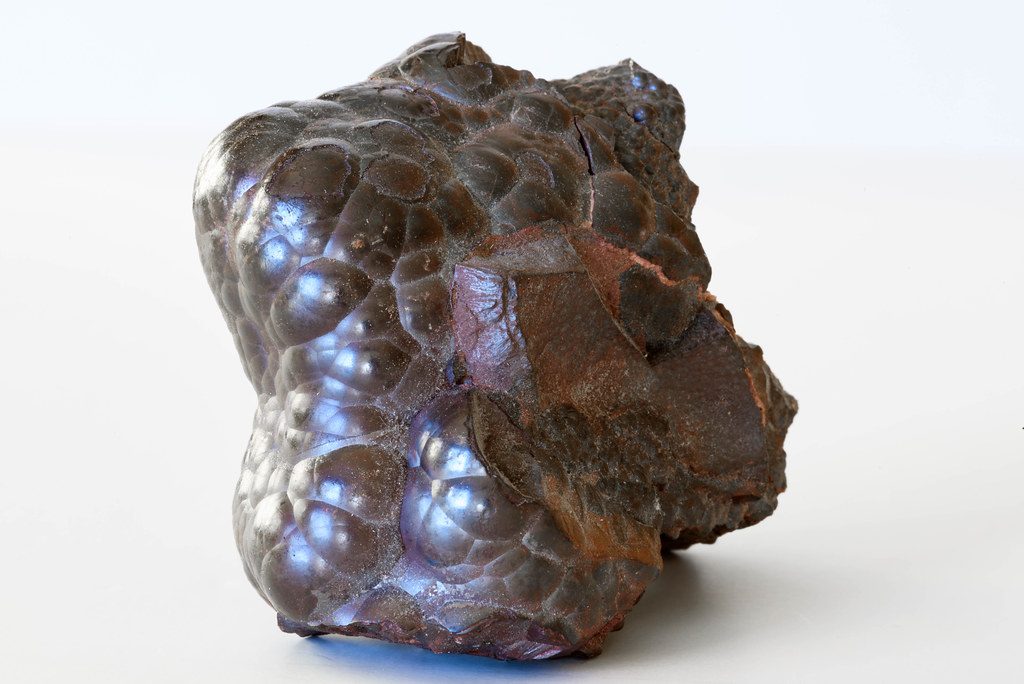
Hematite: red-brown streak, not a meteorite What to do if it passes
Don't cut, polish or clean it with chemicals. Note exactly where you found it and contact a university meteorite lab or natural history museum. Many will look at photos first.
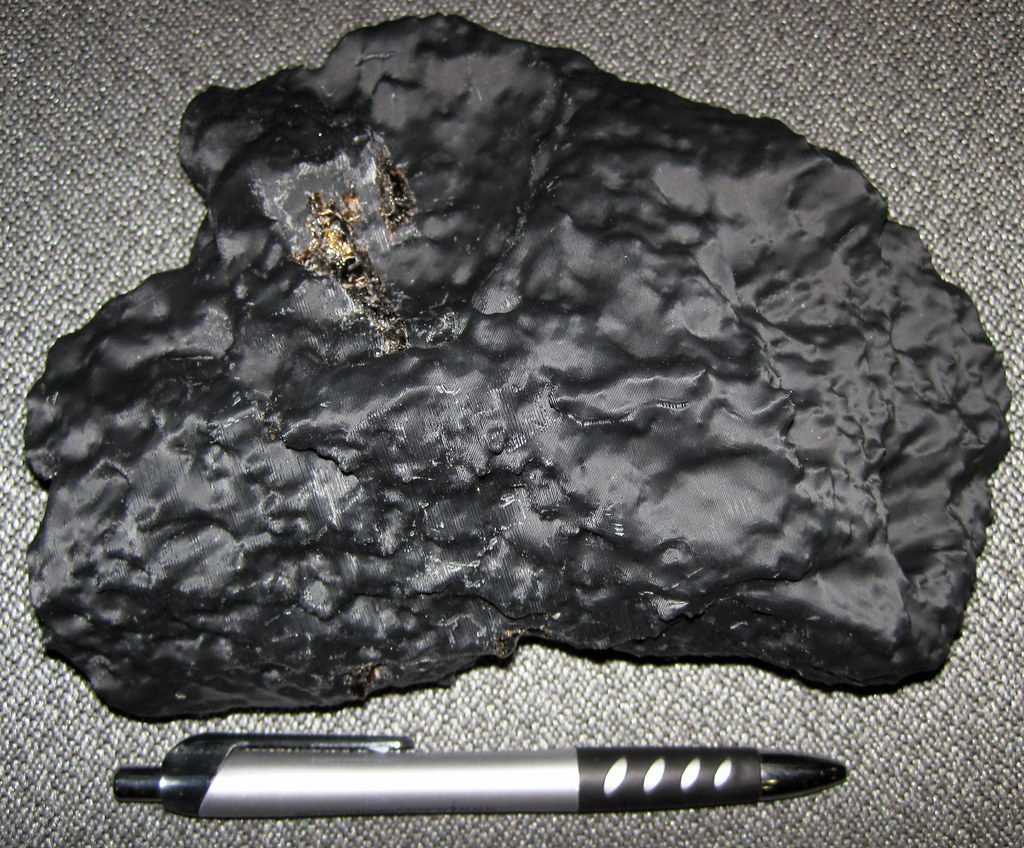
Thumbprint dents on an iron meteorite (replica)
- Check who owns the land: on some land a meteorite belongs to the landowner or the government.
Photos: Canyon Diablo meteorite with a whistle-hole by subarcticmike, CC BY 2.0 · Hematite by Mustang Joe, CC0 · Block Island Meteorite (1/8-sized replica) (iron meteorite in the Block Island area on Mars) 1 by James St. John, CC BY 2.0. General information only: rules, safety and values vary, so check locally and ask an expert when it matters.